1. Wi-Fi® jest zarejestrowanym znakiem towarowym będącym własnością organizacji Wi-Fi Alliance®.
2. Wi-Fi® is a registered trademark of Wi-Fi Alliance®.
RADWAG Laboratory Balances – Analytical, Precision, Microbalances and Moisture Analyzers
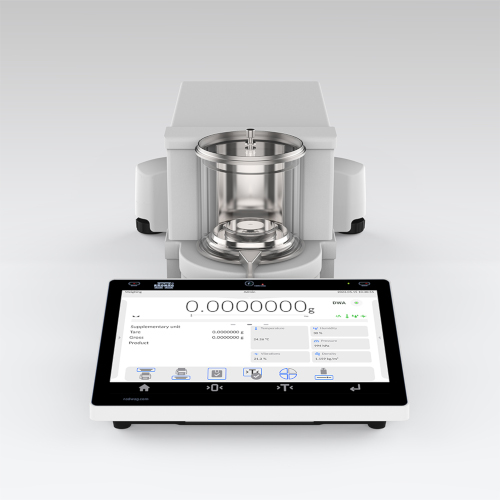
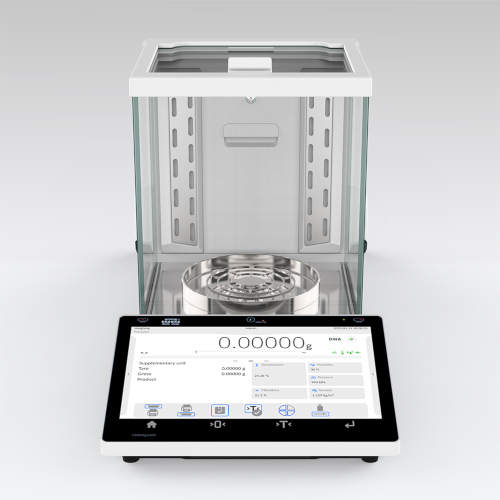
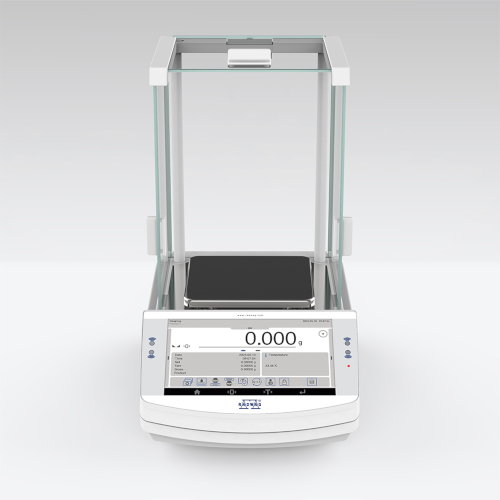
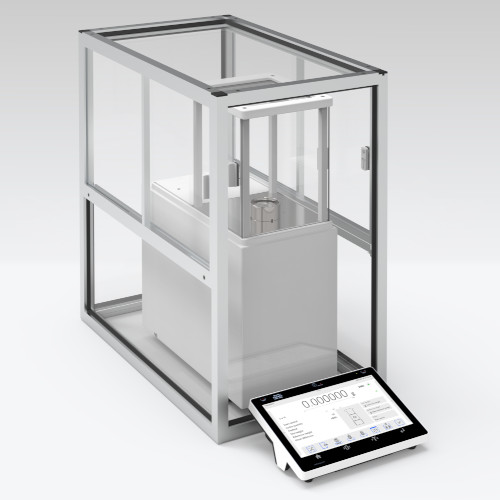
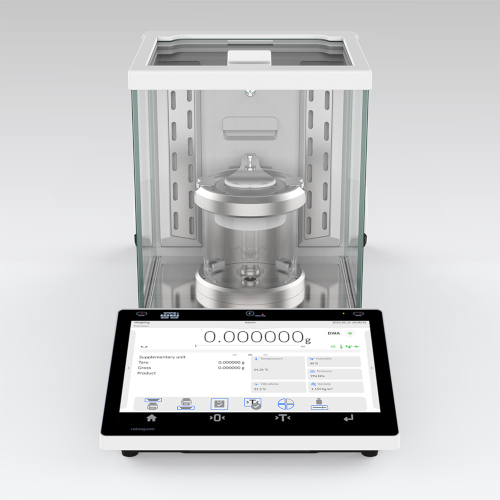
RADWAG laboratory balances cover the full range of precise mass measurement: from nano balances with 10 ng readability, through ultra-microbalances, microbalances and analytical balances, to precision balances with capacities up to 120 kg and moisture analyzers. RADWAG laboratory balances are designed and manufactured in Radom, Poland, and are used in pharmaceutical, chemical, food, research and quality control laboratories worldwide.
Types of laboratory balances
The type of a laboratory balance is defined mainly by its readability [d], the smallest mass difference shown on the display, and by its maximum capacity [Max].
| Balance type | Readability [d] | Maximum capacity [Max] | RADWAG series |
|---|
| Nano balances | 10 ng | 1 g | ANB 1.5Y |
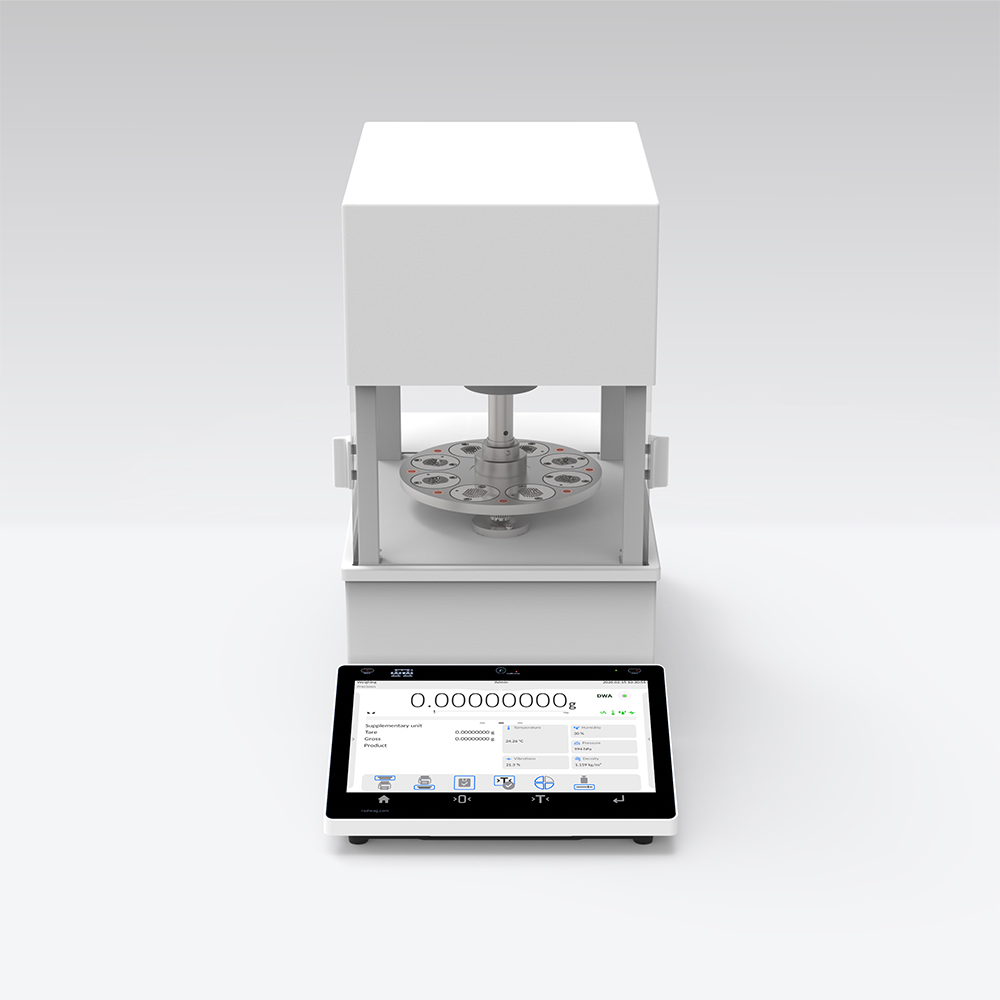
| Ultra-microbalances | 0.1 µg | 2.1 – 6.1 g | UYA 5Y |
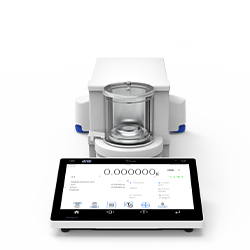
| Microbalances | 1 – 10 µg | 0.8 – 53 g | MYA 5Y, XA 5Y.M |
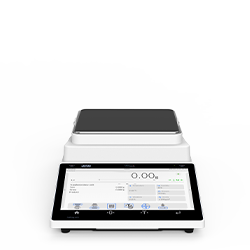
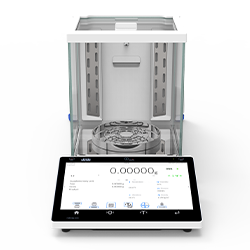
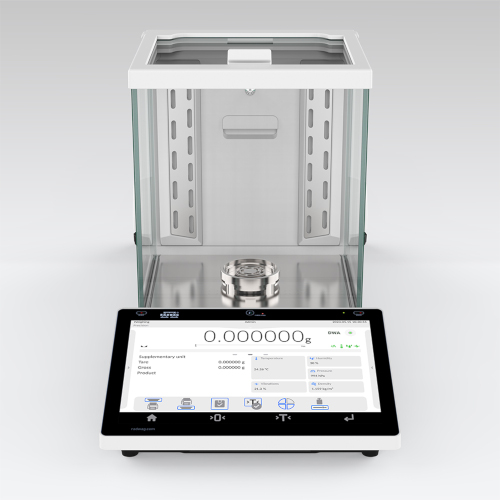
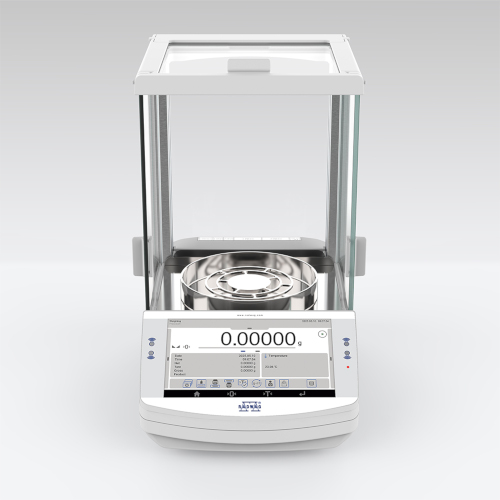
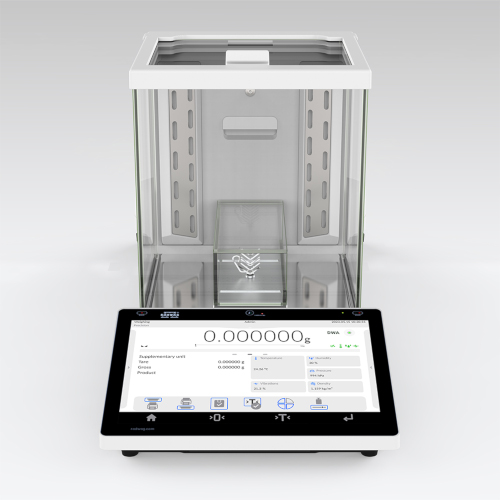
| Analytical balances | 0.002 – 1 mg | 41 – 3100 g | 5Y, X7, RX, R |
| Precision balances | 1 mg – 2 g | 200 g – 120 kg | 5Y, X7, RX, R, WLC, WTC, WLY, CY10, C32.PM |
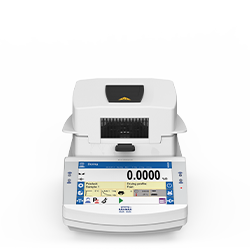
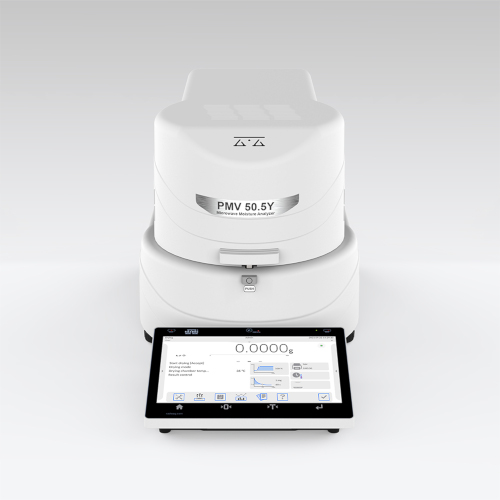
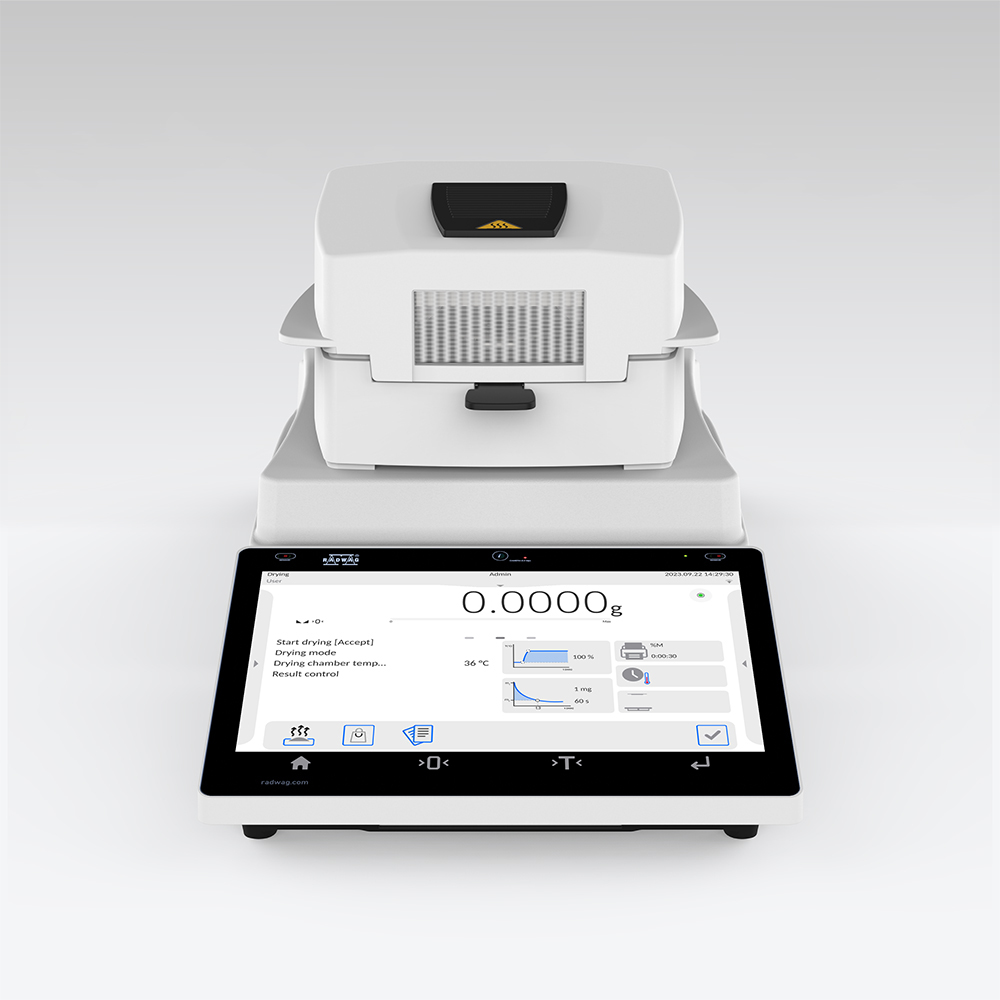
| Moisture analyzers | 0.1 – 1 mg | 50 – 210 g | MA R, MA 5Y, MA 5Y.IC, MA X7.A, MA X7.IC.A, PMV 5Y |
How to choose a laboratory balance?
- Readability and minimum weight – choose the balance for your smallest sample, not your largest. The USP minimum weight shows from which mass the result meets the required accuracy.
- Maximum capacity – include the mass of the container, tare or filter, not only the sample itself.
- Sample type – powders, liquids, filters and plastics may need an antistatic ionizer, a draft shield or a dedicated weighing pan.
- Internal adjustment – the balance corrects its sensitivity automatically after temperature changes, reducing errors between calibrations.
- GLP and GMP requirements – in regulated laboratories, check user management, audit trail and compliance with 21 CFR Part 11 and EU GMP Annex 11.
- Installation site – the smaller the readability, the stronger the influence of temperature, drafts and vibration. Plan the workstation before you buy.
Not sure whether you need an analytical or a precision balance? Read our guide: How to choose a laboratory balance: analytical vs precision
Ambient conditions and weighing results
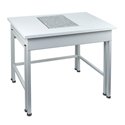
Even the best laboratory balance will not give repeatable results in the wrong place. Results are affected by temperature fluctuations, air movement from air conditioning and doors, floor vibration, humidity, static charge and air buoyancy. Place the balance on an antivibration table, away from windows, air vents and heat sources, and let it acclimatize before weighing. The THBR 2.0 system records temperature, humidity and pressure.
Where to place a balance and how to limit environmental influences is explained in our article: Weighing environment: balance placement, temperature and air buoyancy
Applications of laboratory balances
- pharmaceuticals and biotechnology – weighing active substances, reference standards and samples for analysis,
- chemical and research laboratories – preparing solutions, quantitative analysis, density determination,
- food and feed industry – quality control and moisture determination with moisture analyzers,
- filter weighing for air quality monitoring and emission testing,
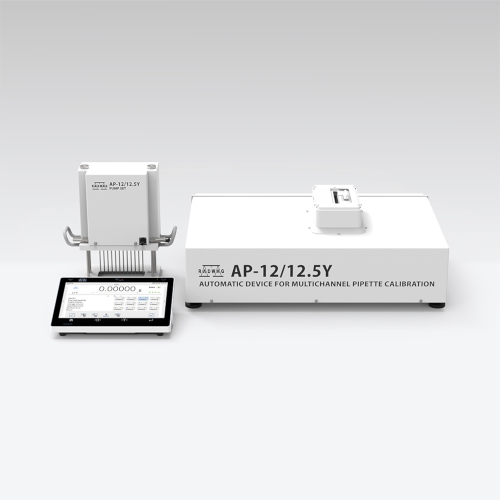
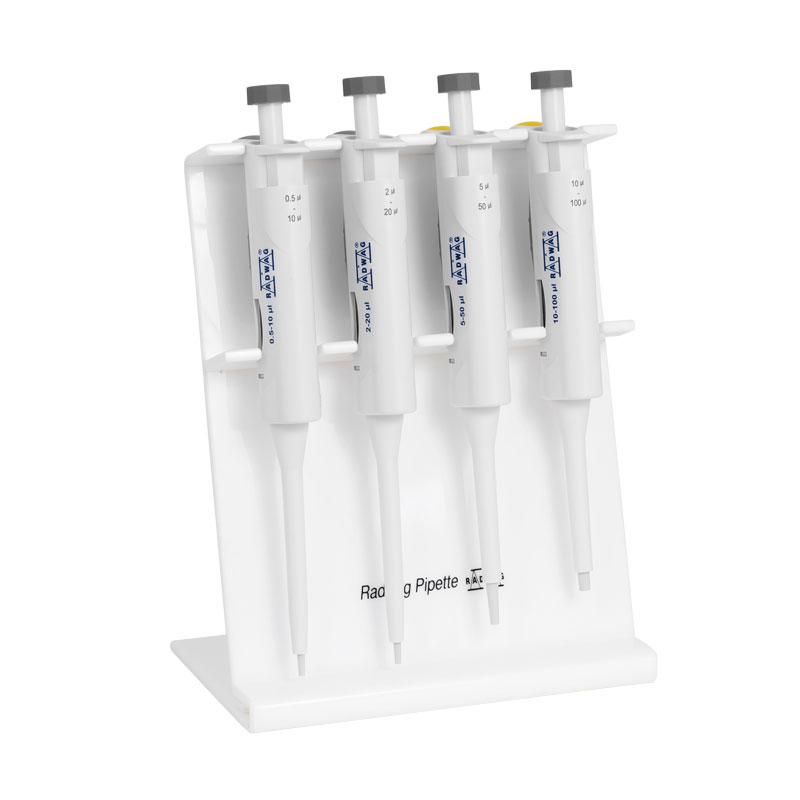
- pipette calibration according to ISO 8655 and stent weighing,
- universities, ISO/IEC 17025 accredited laboratories and quality control departments in production.
Calibration and routine checks
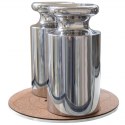
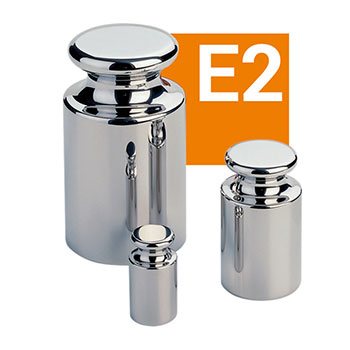
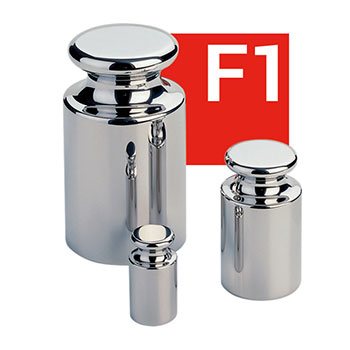
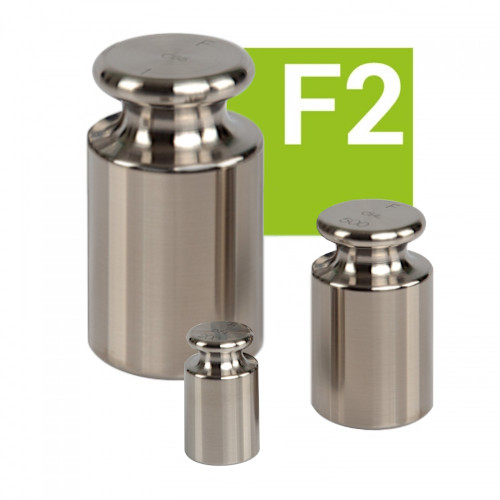
To keep results reliable, a laboratory balance should be calibrated periodically and checked regularly with mass standards between calibrations. RADWAG runs an accredited calibration laboratory and performs IQ/OQ qualification of balances on site.
FAQ – laboratory balances
What is the difference between an analytical and a precision balance?
An analytical balance has a readability of 0.1 mg or finer and an enclosed weighing chamber with a draft shield. A precision balance has a readability from 1 mg upwards and a higher maximum capacity, up to 120 kg, so it suits larger samples and fast weighing.
What is minimum weight?
Minimum weight is the smallest sample mass a balance can weigh with the required accuracy. According to the USP criterion it is determined from the balance repeatability at its place of use, so it depends on both the model and the ambient conditions.
Where should a laboratory balance be placed?
On a stable, preferably antivibration table, in a room with constant temperature and humidity, away from doors, windows, air conditioning vents and direct sunlight. Details are described in our article on environmental influences on weighing.
How often should a laboratory balance be calibrated?
Calibration frequency is set by the laboratory quality system, most often once a year. Between calibrations, daily or periodic checks with mass standards are recommended, and internal adjustment corrects the sensitivity automatically after temperature changes.
Do RADWAG laboratory balances meet GLP and GMP requirements?
Yes. X7 and 5Y series balances offer user management, audit trail and electronic signatures compliant with 21 CFR Part 11 and EU GMP Annex 11, and data can be exported to LIMS and ERP systems.
Not sure which laboratory balance suits your application? Contact our specialists – we will help you choose, install and calibrate the right model.









 AS X7 Analytical Balances
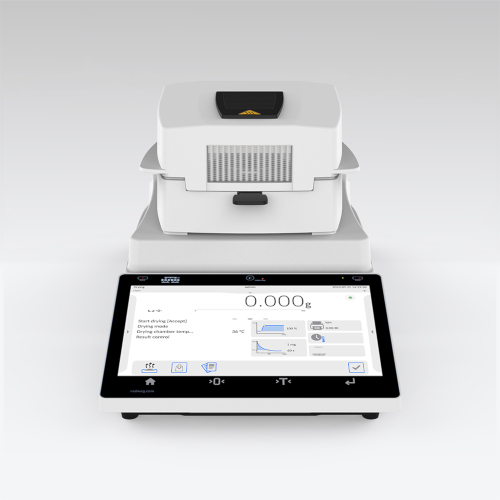 Moisture Analyzers
 PGC Scales
 Checkweighers
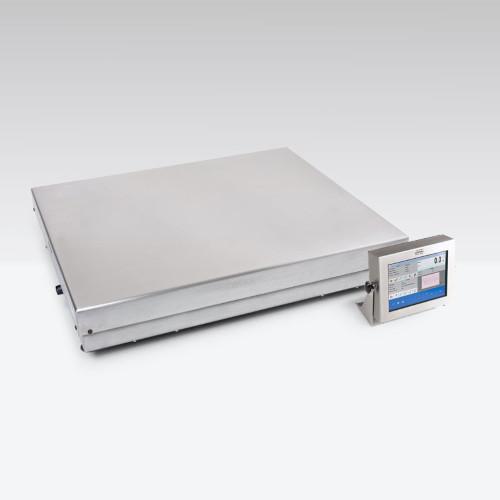 HRP High Resolution Scales
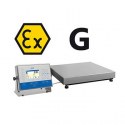 Hazardous Area Endangered with Gas Explosion
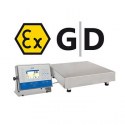 Hazardous Area Endangered with Gas and Dust Explosion
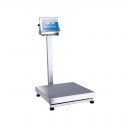 H315 H Waterproof Platform Scales
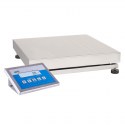



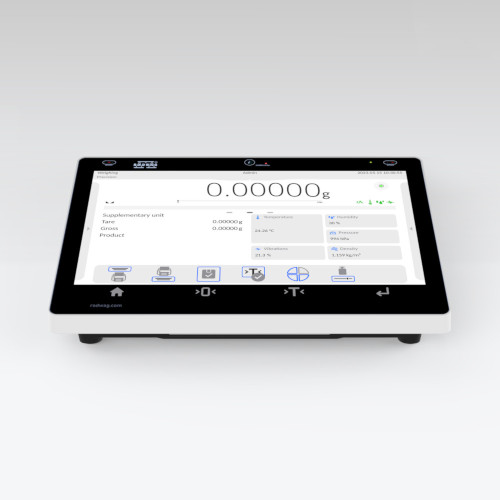 5Y Terminal
 PUE CY10 Weighing Terminal
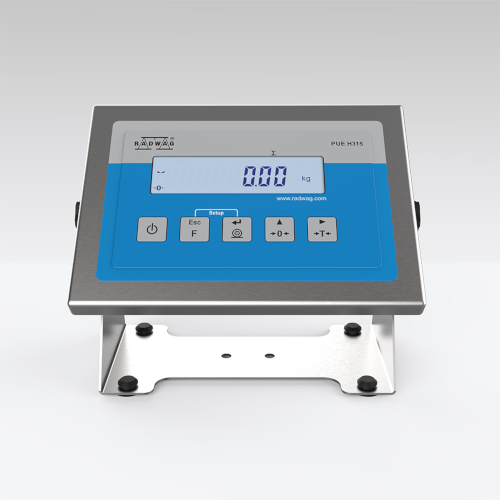 PUE H315 Weighing Terminal
 PUE C315 Weighing Terminal
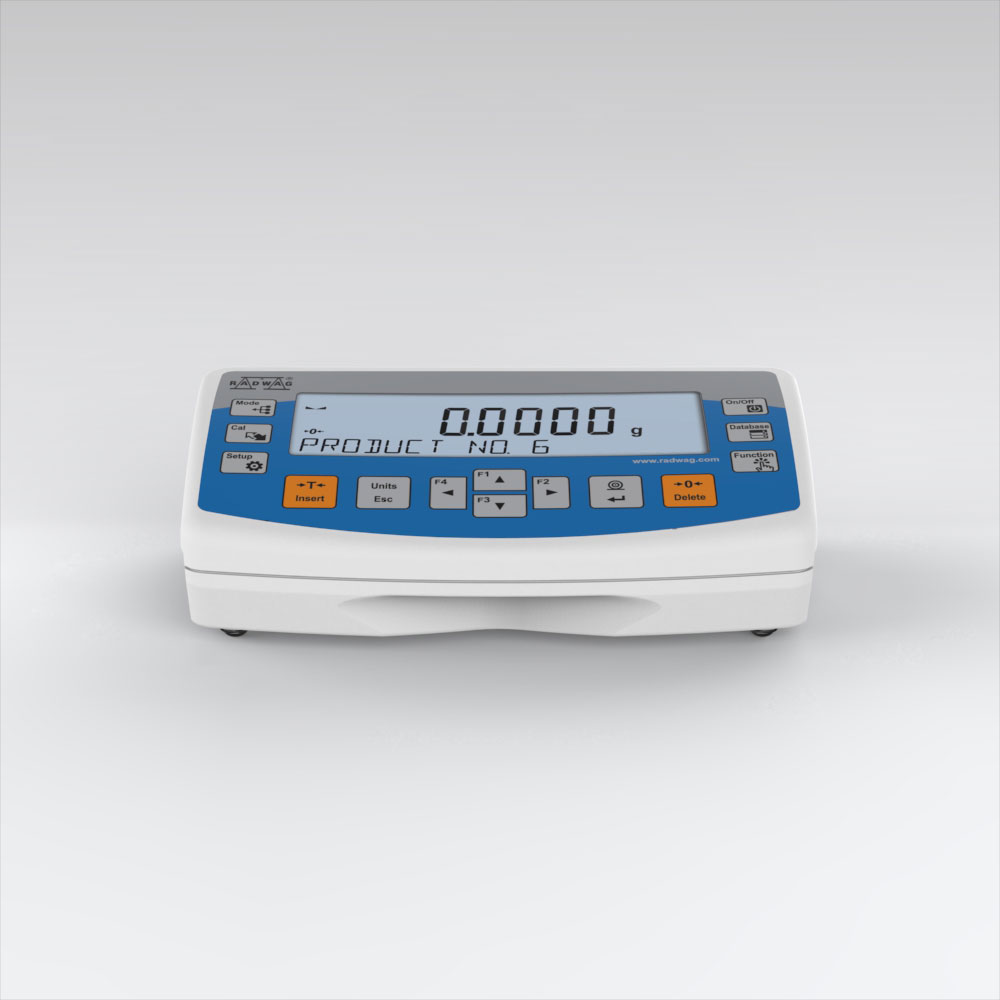 R Terminal (WDM-8)
















 Nano Balances
 Ultra-Microbalances
 Microbalances
 Analytical Balances
 Precision Balances
 Moisture Analyzers


 Albanian
 Danish
 Nederlandse
 Estonian
 Finnish
 Hungarian
 Icelandic
 Kazakh
 Latvian
 Lithuanian
 Macedonian
 Norwegian
 Portuguese
 Romanian
 Russian
 Slovak
 Slovenian
 Swedish
 Ukrainian
 Serbian
 Montenegrin
 Português (Brasil)
 Deutsch
 Español
 Français
 Italiano
 Japanese (日本語)
 Polski
 Türkiye
 Česky
 USA
 中文