1. Wi-Fi® jest zarejestrowanym znakiem towarowym będącym własnością organizacji Wi-Fi Alliance®.
2. Wi-Fi® is a registered trademark of Wi-Fi Alliance®.
PM10 and PM2.5 filter weighing – RADWAG microbalances, automatic systems and robots
Every microgram matters. A filter from particulate matter sampling weighs about 150 mg, while the measurement result is just a few dozen micrograms of mass difference before and after exposure. RADWAG supplies complete systems for gravimetric filter weighing in air quality monitoring, emission testing, vehicle type approval and workplace exposure assessment: from microbalances for manual weighing, through automatic weighing systems, to robots that weigh up to 1,020 filters without an operator. All solutions are designed and verified at the RADWAG Metrology, Research and Certification Centre.
Air Quality by RADWAG – everything about filter weighing in one place
Requirements of the standards for your sector, comparative test results, the full system portfolio, a dust concentration calculator and a free 68-page expert guide.
Go to the Air Quality website »
Why is filter weighing so demanding?
At microgram level, everything affects the result: temperature and humidity fluctuations, air movement (a filter 25–150 mm in diameter acts like a sail on the weighing pan), electrostatic charges on PTFE filters, the hygroscopicity of the finest PM1 and PM2.5 fractions, and the operator. EN 12341:2024 requires the difference between successive weighings not to exceed 40 µg for a blank filter and 60 µg for an exposed filter. In RADWAG tests, an electrostatically charged Pallflex Emfab 47 mm filter drifted for several hours and lost 76 µg – more than the entire tolerance of the standard. See which factors affect the result »
Weighing systems for every standard
The right balance depends on the regulations your laboratory works to:
- Ambient air (EN 12341:2024, EPA 40 CFR Part 50) – PM10 and PM2.5 monitoring networks, environmental laboratories,
- Stationary source emissions (EN 13284-1, EN 14181) – power generation, incineration plants, emission testing laboratories,
- Automotive and type approval ((EU) 2017/1151, EPA 40 CFR Part 1065, GB 18352.6-2016) – WLTP and RDE tests, dynamometers,
- Workplace environment (ISO 15767, EN 481, ISO 7708) – inhalable, thoracic and respirable fractions.
The required resolution, conditioning conditions and recommended systems for each of these standards are listed on the Air Quality website: normative requirements.
From a benchtop microbalance to a robot holding 1,020 filters
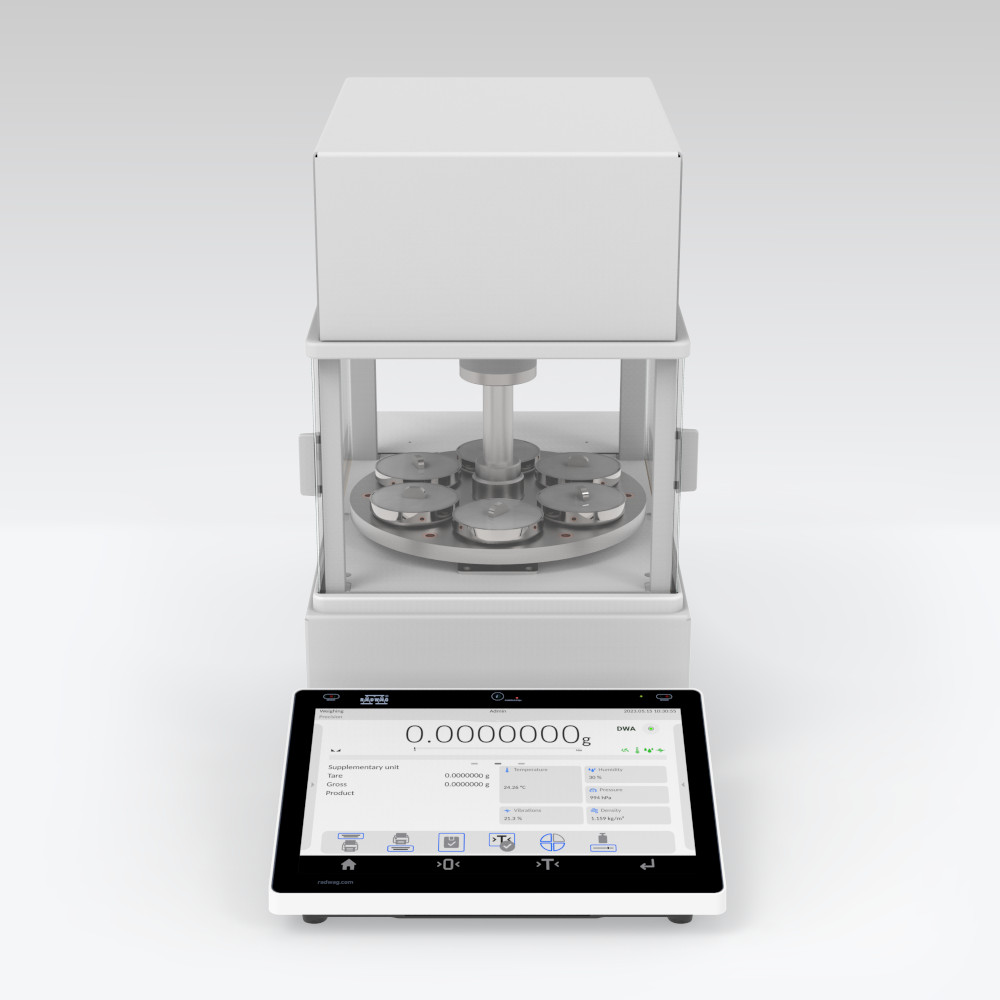
Manual weighing systems
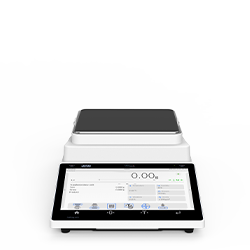
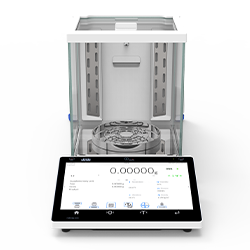
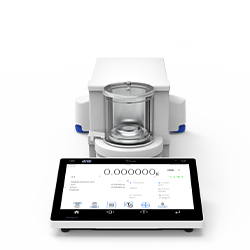
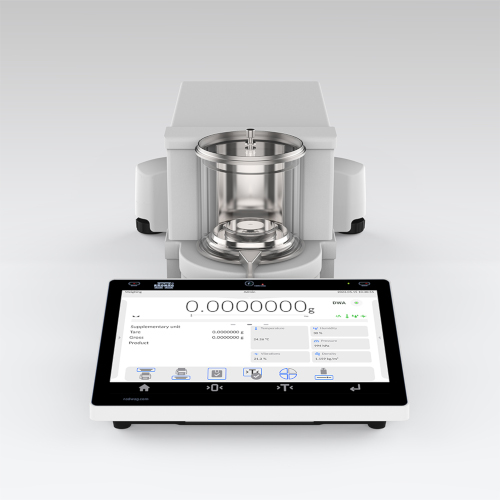
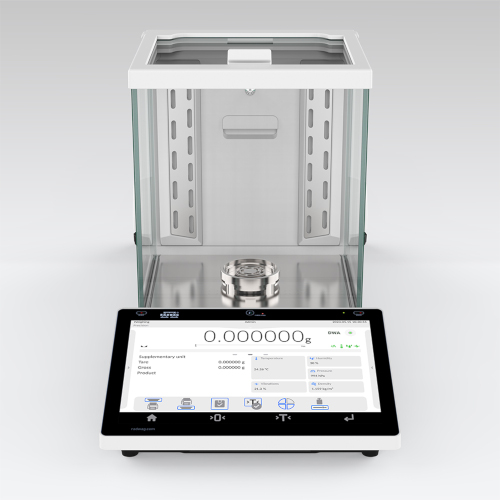
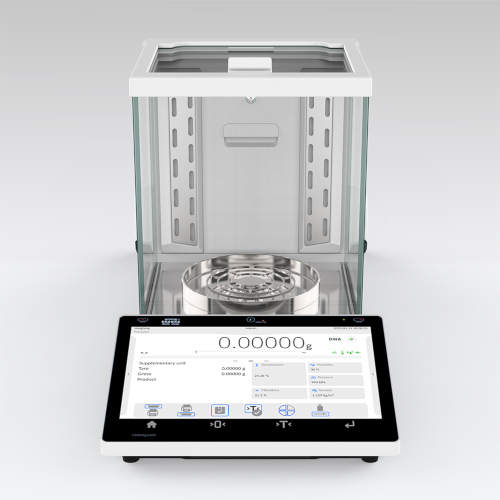
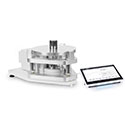
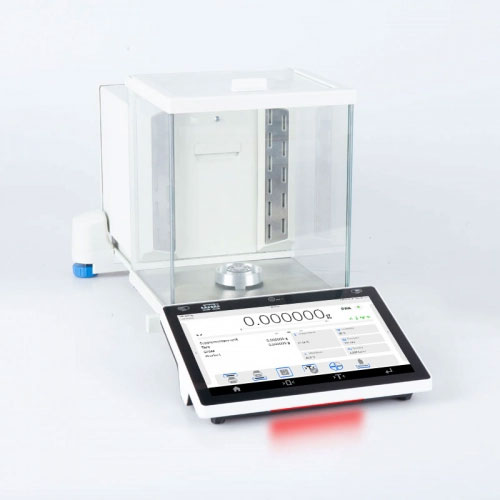
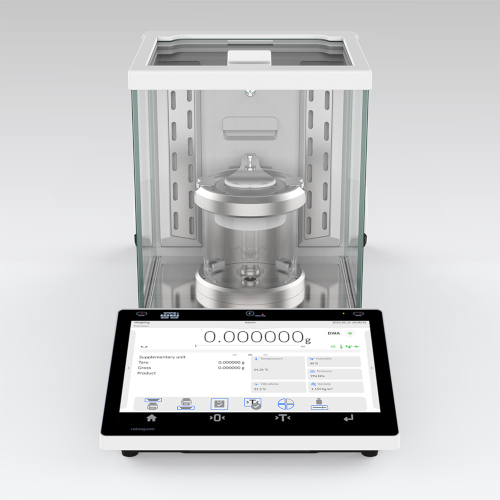
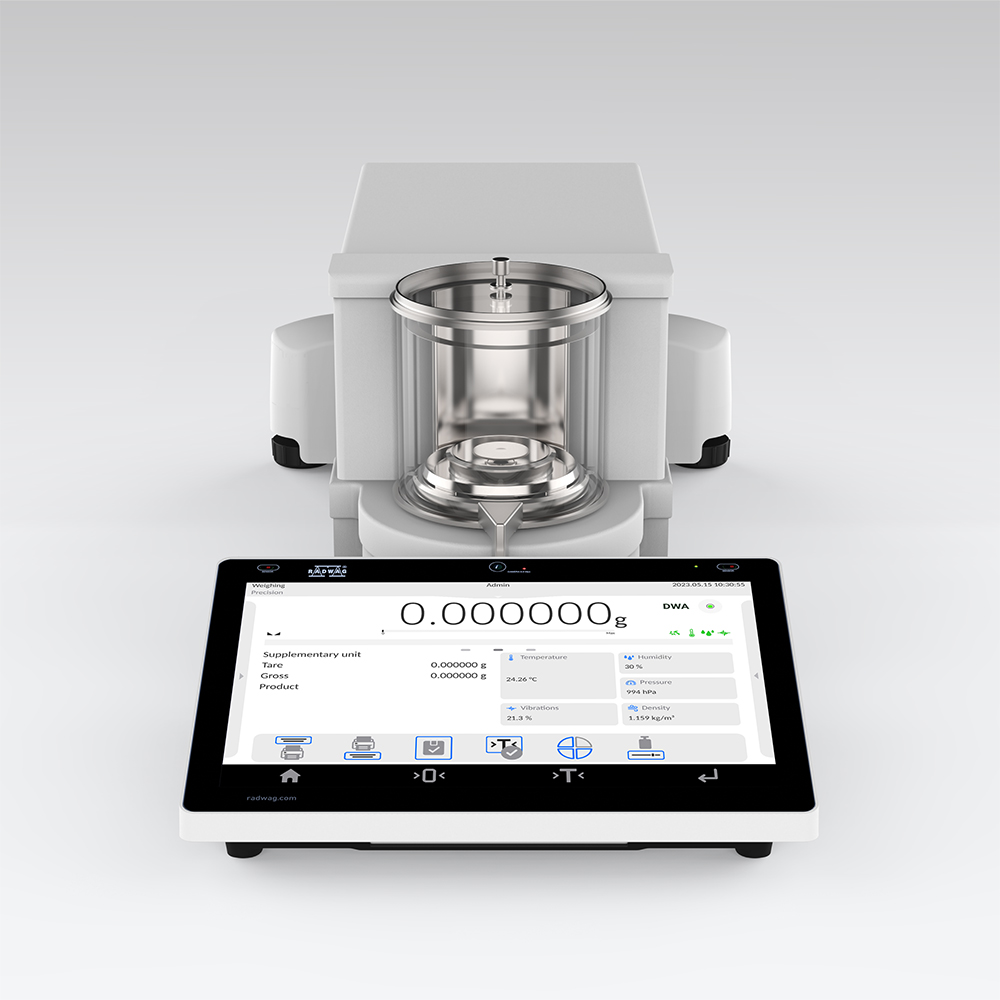
For laboratories weighing a few dozen filters a day: the UYA 2.5Y.F ultra-microbalance with 0.1 µg readability, the MYA 5.5Y microbalance compliant with EN 12341:2024, the MYA 5.5Y.FA for filters up to 70 mm, plus the XA 210.5Y.A balance with a built-in ionizer and the XA 52.5Y.F for A4 sheets of filter material. See manual weighing systems »
Automatic weighing systems
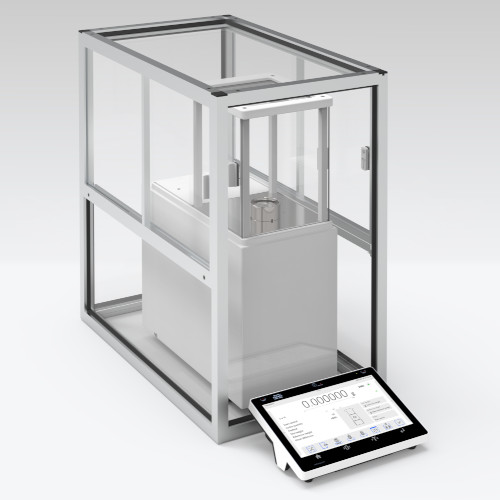
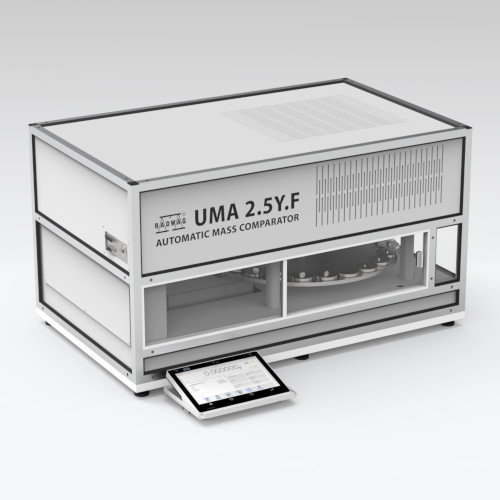
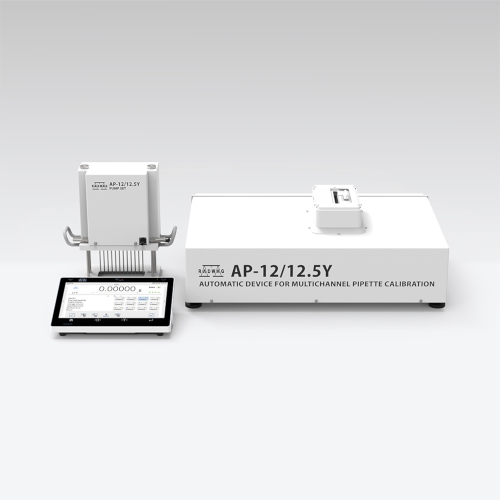
The AK-6 5Y.F comparator and the UMA 2.5Y.F and UMA 2.5Y.FC automatic systems for 24 filters. The FC version has its own conditioning chamber (20 ± 1 °C, 45 ± 5 % RH), so there is no need to build a dedicated weighing room. See automatic weighing systems »
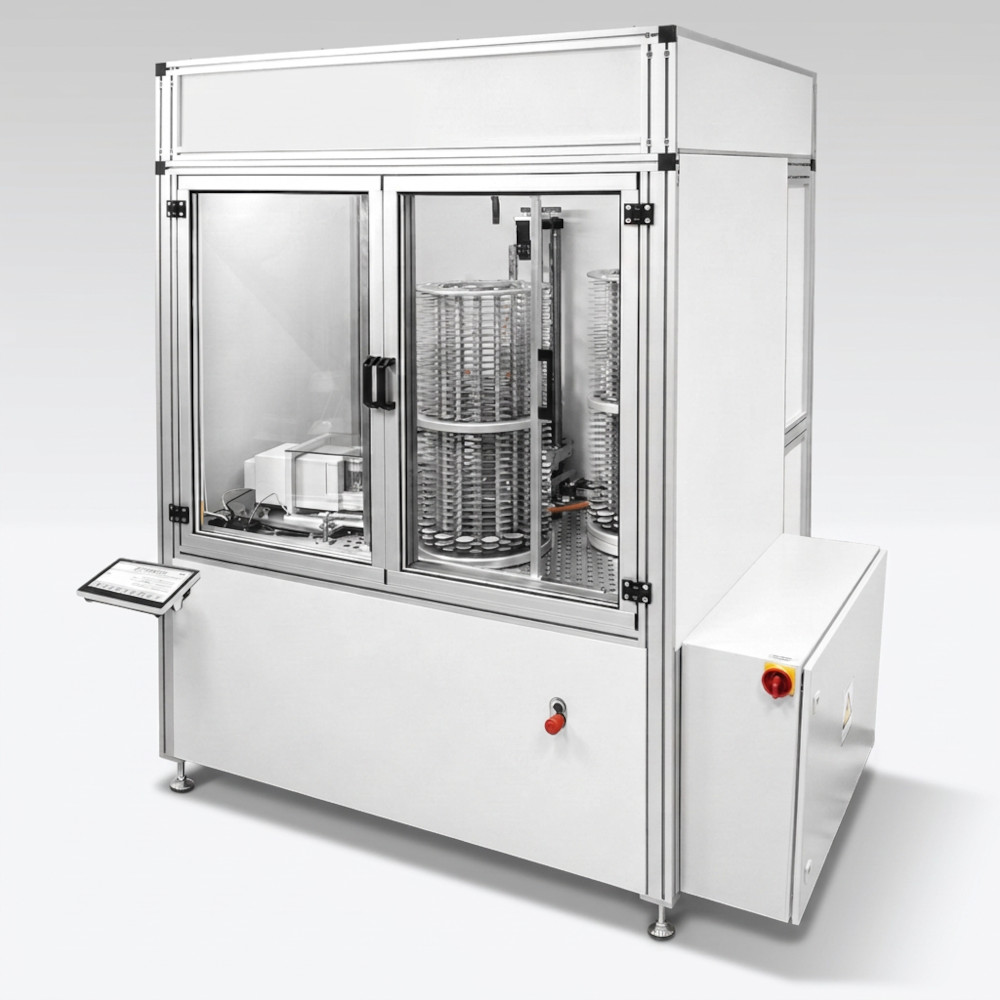
Robotic weighing systems
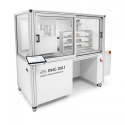
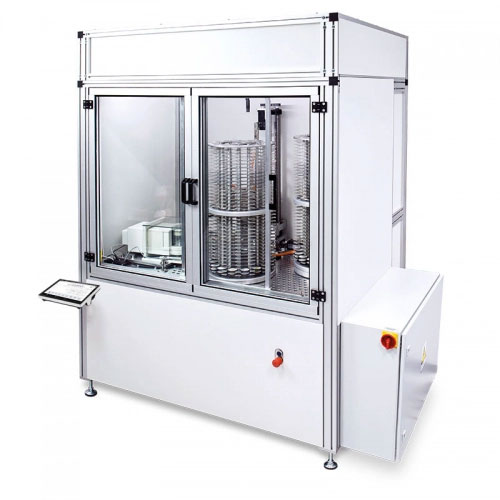
The RB 2.5Y.F robot weighs up to 1,020 filters with QR identification, a built-in deionizer and full compliance with EN 12341:2024. The RMC 2.5Y.FC combines robot throughput with UMA precision, and the RW 5Y.F153 cobot station also weighs 150 mm filters from high-volume samplers. See robotic weighing systems »
Compare all systems on one page: Air Quality portfolio »
Test results, not claims
In a comparison carried out at the BOSMAL Automotive Research and Development Institute and at the RADWAG Metrology Centre, the automatic system delivered 17 times lower scatter when weighing a 47 mm PTFE filter than manual weighing. Deionizing a PVC filter improved repeatability more than tenfold. 16 central monitoring laboratories in Poland and Romania work on RB 2.5Y.F robots, and RADWAG systems are used in scientific research, e.g. at the Institute of Environmental Engineering of the Polish Academy of Sciences. See the full test results »
A complete method, not just a balance
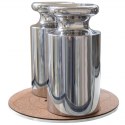
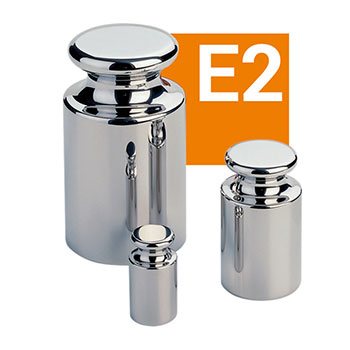
Along with the weighing systems, RADWAG supplies mass standards, deionizers, anti-vibration tables and additional draft shields, as well as accredited calibration (PCA AP 069) and on-site IQ/OQ qualification, including according to Annexes C and D of EN 12341. See accessories and services »
Free guide and calculator
Download the 68-page expert guide “Gravimetric methods in atmospheric air quality research” prepared by the RADWAG Metrology, Research and Certification Centre: particulate matter, filter types, conditioning, deionization and automatic systems. Download the guide »
Calculate dust concentration in µg/m³ from your results and see how balance precision affects the method’s limit of detection: dust concentration calculator »
Frequently asked questions
What balance resolution does EN 12341:2024 require?
The balance must have a resolution of 0.01 mg or better. However, the result depends on repeatability under real conditions, which is why microbalances with 1 µg readability are used for low PM2.5 and PM1 loads.
Manual or automatic?
Manual weighing works well for a few dozen filters a day. When there are hundreds of filters, each must be weighed several times and results must be traceable, automatic systems and robots increase accuracy 2–3 times at the same balance resolution.
Find more answers in the Air Quality FAQ. Not sure which system to choose? Request a quote – our specialists will match a solution to your standard and filter volume.








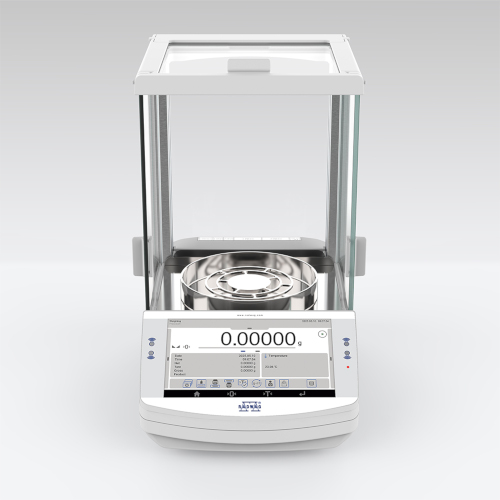 AS X7 Analytical Balances
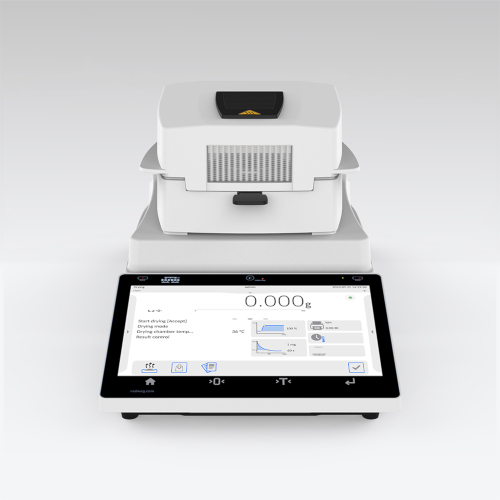 Moisture Analyzers
 PGC Scales
 Checkweighers
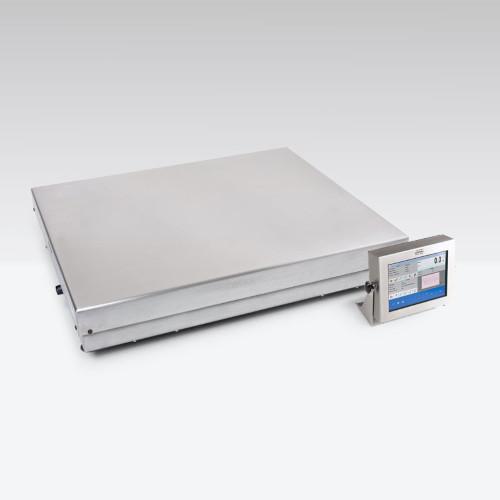 HRP High Resolution Scales
 Hazardous Area Endangered with Gas Explosion
 Hazardous Area Endangered with Gas and Dust Explosion
 H315 H Waterproof Platform Scales




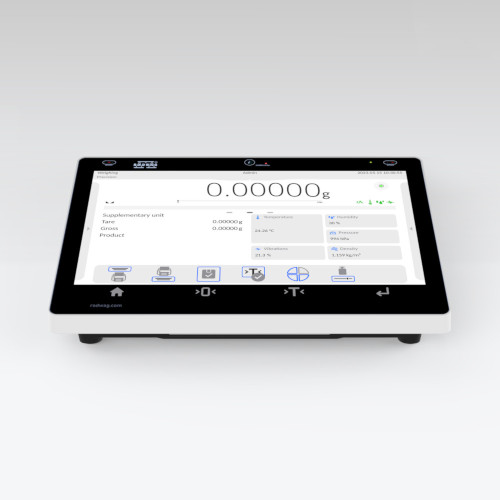 5Y Terminal
 PUE CY10 Weighing Terminal
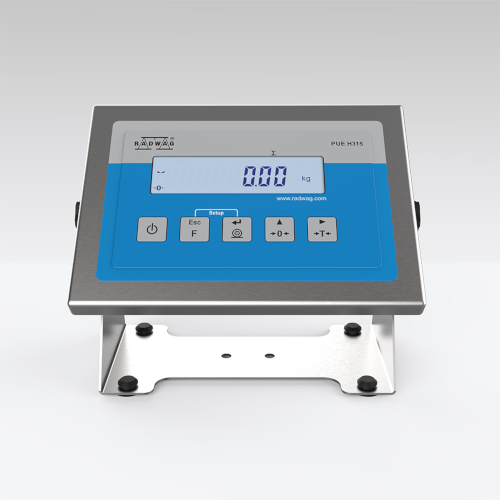 PUE H315 Weighing Terminal
 PUE C315 Weighing Terminal
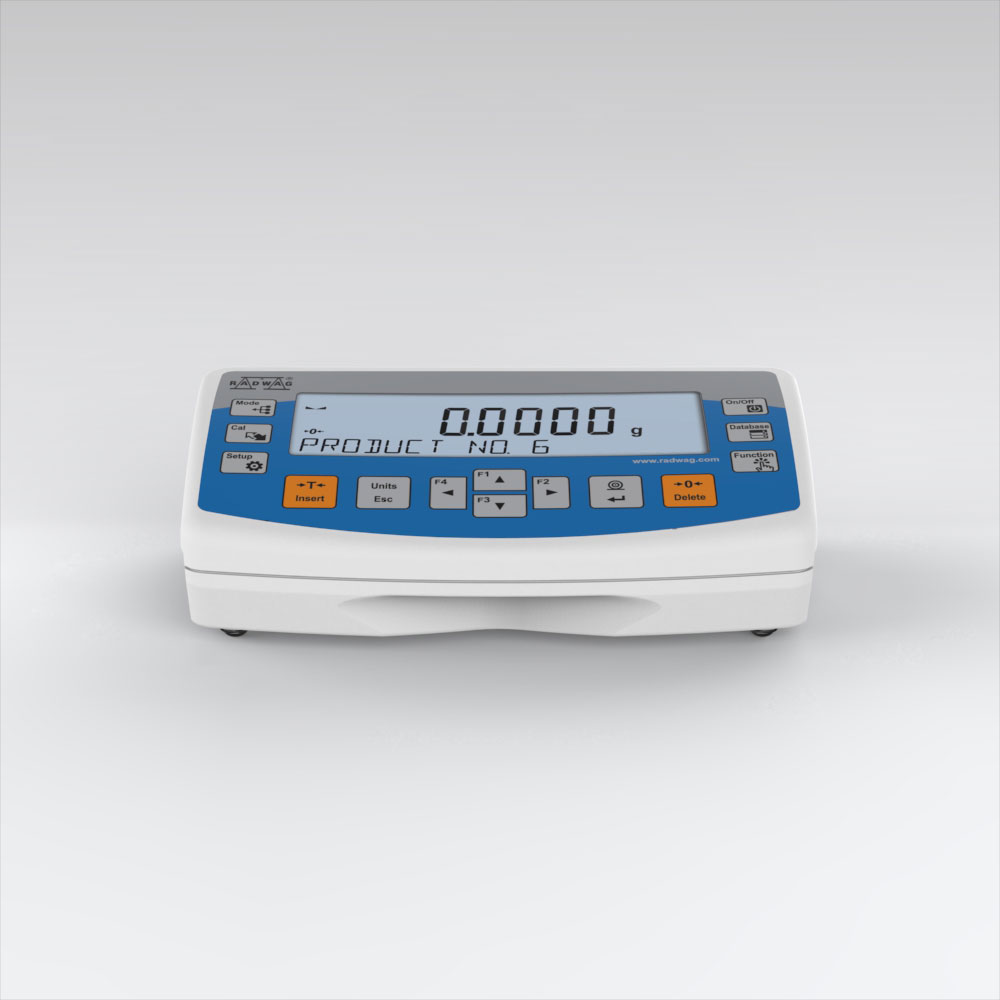 R Terminal (WDM-8)













 Robotic Weighing Systems
 Automatic Weighing Systems
 Manual Weighing Systems


 Albanian
 Danish
 Nederlandse
 Estonian
 Finnish
 Hungarian
 Icelandic
 Kazakh
 Latvian
 Lithuanian
 Macedonian
 Norwegian
 Portuguese
 Romanian
 Russian
 Slovak
 Slovenian
 Swedish
 Ukrainian
 Serbian
 Montenegrin
 Português (Brasil)
 Deutsch
 Español
 Français
 Italiano
 Japanese (日本語)
 Polski
 Türkiye
 Česky
 USA
 中文